




Join the fun!Re
Stay updated with our latest recipes and other news by joining our newsletter.
- Solar Power Systems
 Hi, my name is Olympia and I am a 3rd grade student. My presentation is about renewable and non-renewable energy. This is an important subject because we depend on energy. It powers our world! I got interested in energy when I did a project about light and learned that sunlight powers everything. This led me to wanting to learn more about energy and I hope you enjoy learning more about energy too!
 - Birds That Migrate Seasonally – Bald Eagles
 Hi, I’m Finley, and I live in Pennsylvania. I love birds! My backyard leads to a creek, and every day, various birds come to visit. Let me introduce you to some of the amazing birds you can see in my backyard. Come and enjoy the beautiful birds that stay year-round in pennsylvania.
 - Birds That Migrate Seasonally – Ruby-throated Hummingbirds
 Hi, I’m Finley, and I live in Pennsylvania. I love birds! My backyard leads to a creek, and every day, various birds come to visit. Let me introduce you to some of the amazing birds you can see in my backyard. Come and enjoy the beautiful birds that stay year-round in pennsylvania.
 - Birds That Migrate Seasonally – Canada Geese
 Hi, I’m Finley, and I live in Pennsylvania. I love birds! My backyard leads to a creek, and every day, various birds come to visit. Let me introduce you to some of the amazing birds you can see in my backyard. Come and enjoy the beautiful birds that stay year-round in pennsylvania.
 - All About Skin
 Soyoon, a middle schooler who just moved from Korea to New Jersey, is fascinated by the diversity in skin color, eye color, and hair types among her new friends. She begins to wonder how such diversity comes to be and decides to learn more about the human skin.
 - Proteomics research using 3D cell models and at the single-cell level
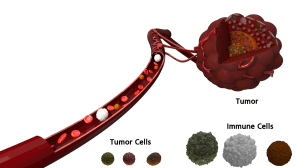 The article discusses how cancer-related protein changes affect cell behavior and the role of mass spectrometry in proteomic analysis for cancer diagnosis and treatment. It highlights challenges with cellular heterogeneity in tumors, emphasizing advancements in 3D cell culture and single-cell proteomics that enhance understanding of cancer diversity and improve therapeutic strategies.
 - Personalized Medicine and Cell Models
 The post discusses the use of biomarkers in personalized medicine, particularly for cancer diagnostics and treatment. It contrasts 2D and 3D cell models, highlighting 3D organoids as superior for mimicking human physiology. These models aid in biomarker discovery, despite limitations, pushing personalized medicine forward through improved therapeutic strategies.
 - Personalized Cancer Treatment, Proteogenomic Analysis, and Bioinformatics
 The article discusses the importance of personalized treatment strategies in cancer care, drawing parallels with customized products in cosmetics and food. Variations in patient genetics and tumor heterogeneity necessitate tailored therapies enhanced by bioinformatics, which analyzes genomic data. Ongoing projects aim to refine these approaches despite existing challenges in cost and application.
 - Limitations and Side Effects of Cancer Treatment: The Need for Precision Medicine and Proteogenomic Research
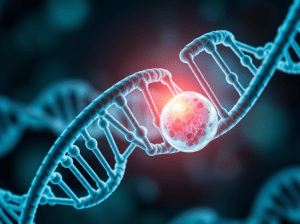 Proteogenomics is revolutionizing precision medicine in the U.S., particularly for cancer, which poses complex treatment challenges due to individual variability. Early detection strategies are crucial but often fall short. By analyzing tumor-specific molecular profiles, clinicians can personalize treatment approaches, improving outcomes and minimizing the adverse effects of traditional therapies.
 - We Eat and Drink Every Day
 The “What We Eat and Drink” series explores everyday food choices through science, highlighting the balance between taste and nutrition. It encourages limiting trans fats, sodium, and addictive foods, avoiding extreme diets, and eating more fruits and vegetables—promoting long-term health through informed, consistent habits.
 - Proteome Analysis Methods, Part 2
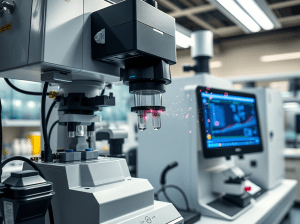 The process of analyzing proteins involves separating peptides from samples using liquid chromatography and mass spectrometry. Mass spectrometry, particularly through methods like Collision-Induced Dissociation, allows for peptide sequencing. Ongoing research aims to improve sensitivity and accuracy, particularly for complex proteomes and proteins with post-translational modifications in precision medicine.
 Leo & Leah